
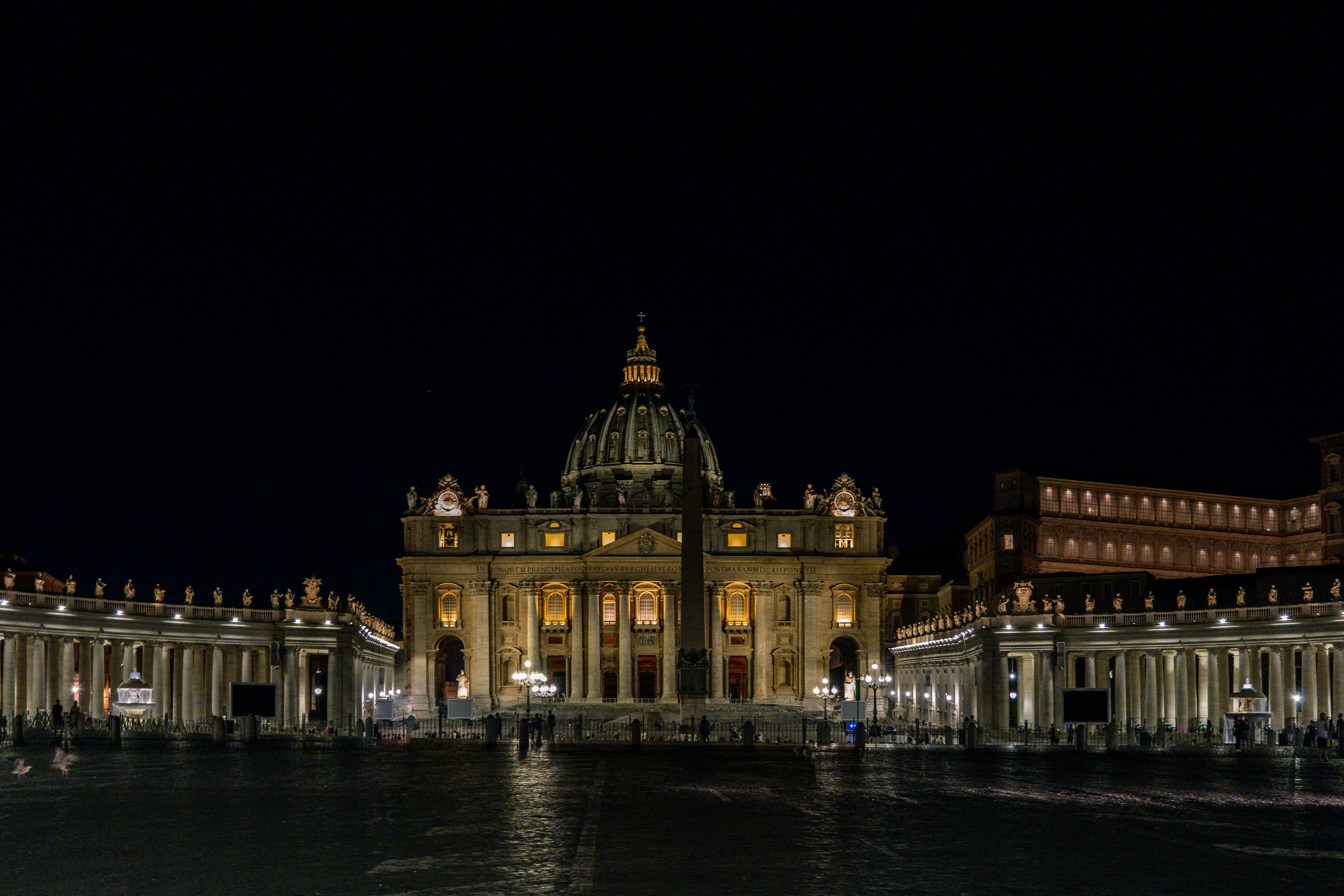
Origins of the Basilica of St. John Lateran
The Basilica of St. John Lateran holds a paramount place in Christian history, recognized as the cathedral of Rome and the official ecclesiastical seat of the Pope. Its origins can be traced back to the early 4th century, during a pivotal moment in the transformation of Christianity in the Roman Empire. Established under the reign of Emperor Constantine the Great, this basilica is widely regarded as the oldest in the Western world.
Built on the site of the Lateran Palace, which was the residence of the papacy prior to the Vatican’s establishment, the basilica was consecrated in 324 AD by Pope Sylvester I. This significant event not only marked the church’s establishment but also underscored the growing acceptance and influence of Christianity within the Roman Empire. Initially dedicated to the Savior, the basilica underwent several reconstructions and modifications over the centuries, reflecting the prevailing architectural styles and theological doctrines.
Architecturally, the Basilica of St. John Lateran is an exemplary model of Romanesque and Baroque design. The structure features a grand façade, adorned with statues of the apostles, while its interior boasts exquisite mosaics and elaborate chapels that encapsulate religious narratives. The impressive atrium, characterized by its colonnades, welcomes visitors with a sense of grandeur that mirrors the basilica’s historical significance.
The basilica has played a crucial role in the development of the early Christian Church. It served as a central hub for the community, where pivotal events in church governance and liturgical practices unfolded. Its prominence has only increased over the years, with the basilica enduring as a symbol of papal authority and a testament to the enduring legacy of the Catholic Church.
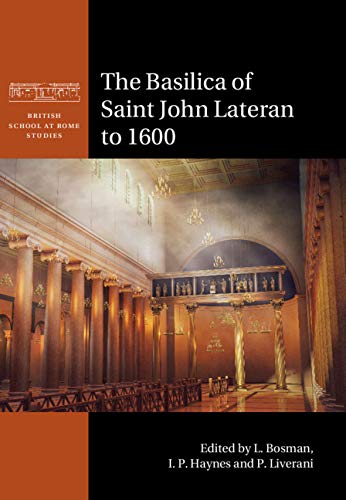
Establishment of the Feast Day
The Feast of the Basilica of St. John Lateran, celebrated annually on November 9, was officially instituted as a feast day within the Roman Catholic liturgical calendar in the early medieval period. This date was chosen to commemorate the dedication of the basilica, which is the oldest and the highest-ranking church in the Catholic Church, serving as the ecclesiastical seat of the Pope. Its significance lies not only in the architectural grandeur but also in its rich historical context which reflects the evolution of the Church’s influence in Rome.
The official establishment of the feast day can be traced back to the papal decrees that recognized the importance of St. John Lateran as the Cathedral of Rome and the Mother Church of all churches worldwide. It firmly reinforces the basilica’s prominence among the many churches in the city and the entire Catholic tradition. The Vatican’s initiative to institute this feast day serves to highlight the foundational role that St. John Lateran plays in the Church’s history and its ongoing mission.
Furthermore, the celebration of the feast day is indicative of the broader recognition of the Catholic Church’s historical roots and the evolution of its liturgical practices. Throughout the centuries, the feast has become an occasion for the faithful to reaffirm their connection to the papacy and the significance of the Catholic faith. The meaning of November 9 has thus evolved into a day of unity, reflection, and reverence for both the structure itself and the ecclesiastical authority it represents. This feast not only honors the dedication of the basilica but also reinforces its role as a symbol of the Catholic tradition’s enduring legacy and presence in the world.
Cultural and Liturgical Significance of the Feast
The Feast of the Basilica of St. John Lateran, celebrated annually on November 9, is deeply rooted in the cultural and liturgical fabric of the Catholic Church. This feast not only commemorates the dedication of the major basilica but also symbolizes the mother church of Rome, reinforcing its importance as a spiritual center. The basilica serves as a focal point for the Catholic community, and the mass celebrations held on this day are designed to foster a sense of unity among the faithful, both locally and globally.
During the feast, a solemn mass is celebrated at St. John Lateran, with the participation of bishops, clergy, and laypeople. The rituals performed, including the liturgical readings and hymns, emphasize the significance of the church in the history of Christianity. The procession, which often takes place prior to the mass, showcases the rich traditions and communal participation that characterize this feast. These rituals not only reflect the reverence held for the basilica but also encourage the congregation to engage in collective worship, strengthening their ties to the church and to one another.
The Feast of St. John Lateran also has far-reaching implications beyond local celebrations. It holds a prominent place in Catholic liturgy, marking a time for reflection on the role of churches as houses of worship and community. In this context, it serves as a reminder of the broader mission of the church to promote faith, hope, and charity across diverse cultural landscapes. As such, this feast inspires Catholics worldwide to recognize the universal significance of their faith and to celebrate their identity as part of the global Catholic family.



Modern Observances and Global Influence
The Feast of the Basilica of St. John Lateran, celebrated on November 9, holds profound significance not only in Rome but also among Catholic communities worldwide. The basilica, as the cathedral church of the Diocese of Rome, serves as a pivotal symbol of Catholicism and ecclesiastical authority. Modern observances of this feast reflect a blend of liturgical tradition and contemporary spirituality, attracting numerous pilgrims and worshippers each year.
In Rome, the central celebration occurs with a solemn Mass at the Basilica of St. John Lateran presided over by the Pope or a designated cardinal. This event draws thousands of attendees, including clergy and laypeople, who come together to commemorate the basilica’s enduring legacy. The liturgy emphasizes themes of unity and the Church’s mission in the world, reinforcing the basilica’s role as a spiritual beacon. Following the Mass, various religious activities, such as processions and special prayer services, are organized to enhance the community’s engagement and devotion.
Globally, the influence of the Feast of the Basilica of St. John Lateran extends far beyond the Italian capital. Many parishes, especially those dedicated to St. John Lateran, celebrate this feast with their unique observances, including community gatherings and educational sessions that highlight the basilica’s historical and theological significance. This outreach not only fosters a deeper understanding of the Church’s heritage but also promotes the values of inclusivity and communion among diverse Catholic groups.
As society evolves, the implications of this feast continue to resonate, inviting Catholics to reflect on the nature of ecclesiastical identity and the importance of their shared beliefs. In contemporary practice, the feast serves as an opportunity to contemplate the Church’s role in addressing modern issues, ensuring that the reverence for the Basilica of St. John Lateran remains vibrant and relevant. Ultimately, the celebration is a reminder of the enduring faith that binds communities together around this foundational structure.