
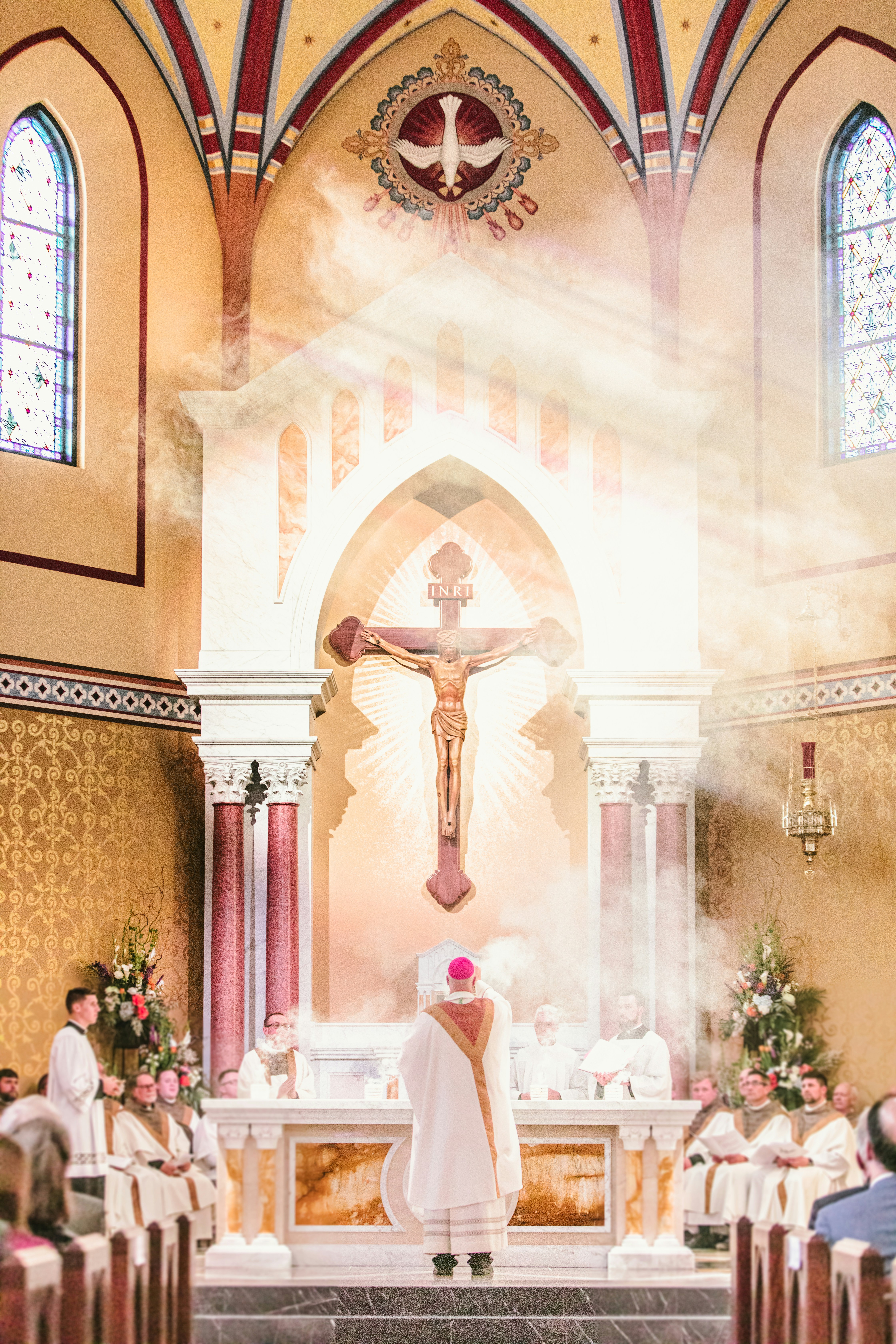
Introduction to Catholic Vestments
Catholic vestments are an integral part of the liturgical life of the Church, serving both functional and symbolic purposes during religious ceremonies. These garments, worn by priests and ministers, signify their role in leading the faithful in worship, emphasizing the sacredness of the rituals taking place. Vestments have evolved over time, with various forms emerging to reflect the changing needs and traditions of the Church.
The significance of vestments in Catholic worship extends beyond mere aesthetics. Each piece is imbued with spiritual meaning, often representing different aspects of faith, the liturgical calendar, and the divine mysteries celebrated throughout the year. The ordo, or liturgical calendar, informs the choice of vestments according to specific seasons and feasts. For example, the color of the vestments can convey theological themes—white, symbolizing purity and joy, is often worn during major celebrations, while purple is typically used during Advent and Lent, signifying penance and reflection.
Beyond their visual impact, Catholic vestments help to create an atmosphere conducive to reverence and spiritual focus. The act of donning these garments is itself a ritual, marking a transition for the priest from the everyday to the sacred. As such, the vestments serve as a reminder of the importance of the liturgical events, directing the congregation’s attention towards the divine in the midst of celebration.
Over the centuries, the materials, styles, and specific garments have transformed, influenced by cultural contexts and historical events. However, the essential purpose of these vestments remains unchanged: to enhance the worship experience and reinforce the sacred nature of the Catholic faith, making it accessible to the community through visual and tactile elements that resonate within the heart of liturgical practice.
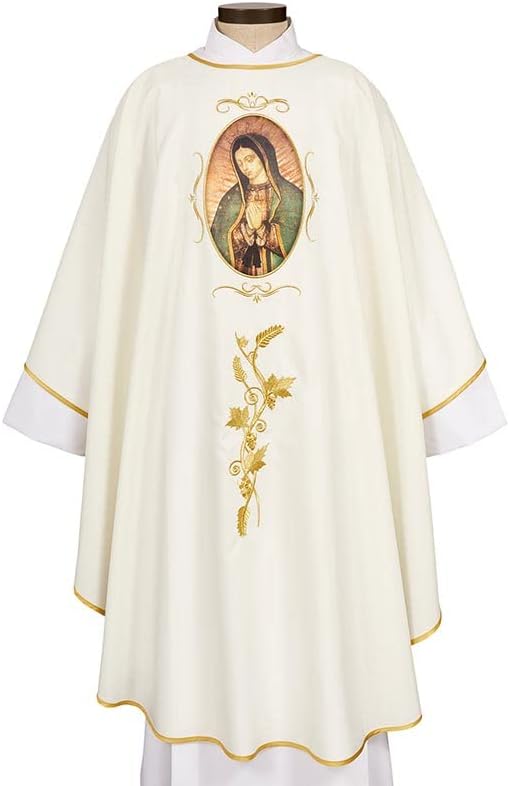
Vestments for Major Liturgical Celebrations
Throughout the liturgical year, specific major celebrations are characterized by distinct vestments that Roman Catholic priests wear during the ceremonies. Each celebration not only signifies a crucial occasion in the Church but also embodies profound theological themes woven through the vestments’ colors and styles. The three major celebrations typically addressed are Christmas, Easter, and weddings, each represented by unique vestments.
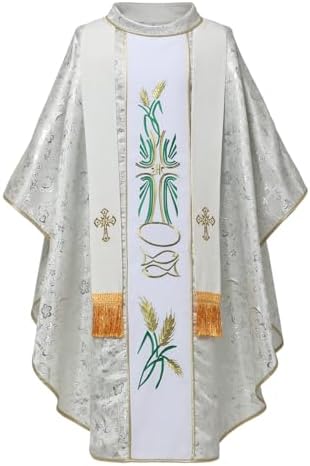
During Christmas, priests often wear vestments in shades of white or gold, symbolizing joy and celebration. The most commonly worn chasuble, typically made from rich fabrics such as silk or brocade, emphasizes the splendor of the season. These vestments reflect the light and peace that the birth of Christ brings into the world. The chasuble, as the principal garment, symbolizes charity, enveloping the priest in the love of God as he prepares to administer the sacraments.
In contrast, Easter vestments also primarily utilize the colors white or gold, signifying the glory of the Resurrection. During the Easter Vigil, priests may even wear the color purple leading into the celebration, symbolizing the transition from penance to joy. The most prominent vestment, the chasuble, adorned with intricate embroidery, highlights the joyous proclamation of Jesus’ victory over death. This transition mirrors the relationship between the suffering of Lent and the eventual triumph celebrated during Easter.
Weddings present a unique opportunity for priests to wear festive vestments that typically consist of white or cream hues. In these cases, the chasuble or dalmatic worn during the wedding liturgy signifies not only the couple’s union but also reflects themes of purity and new beginnings. The use of specific fabrics, such as linen, enhances the significance of the sacred vows being exchanged, underscoring the solemn yet joyous nature of the sacrament.
In conclusion, the vestments worn during these major liturgical celebrations are integral to the Catholic faith, visually representing the themes and messages that define each occasion. The thoughtful selection of color, fabric, and style helps to foster a deeper understanding of the significance of each celebration within the liturgical calendar.
Seasonal Vestments and Their Meanings
Within the Catholic Church, the vestments worn by priests during liturgical celebrations are deeply intertwined with the spiritual themes represented by the seasons of the Church year. Each period—Advent, Lent, Ordinary Time, and Pentecost—is characterized by specific colors that convey distinct theological messages, reflecting a rich tapestry of faith and tradition.
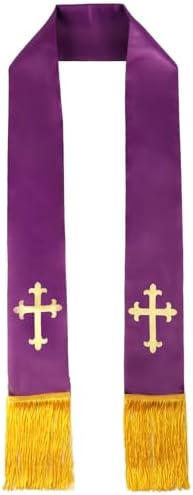
Beginning with Advent, priests don purple vestments, symbolizing penance and preparation for the coming of Christ. This somber color evokes a spirit of reflection and anticipation, encouraging the faithful to seek spiritual renewal in the weeks leading to Christmas. As the season progresses, a shift occurs on certain Sundays, where rose vestments may be worn to signify joy during the midpoint of Advent.
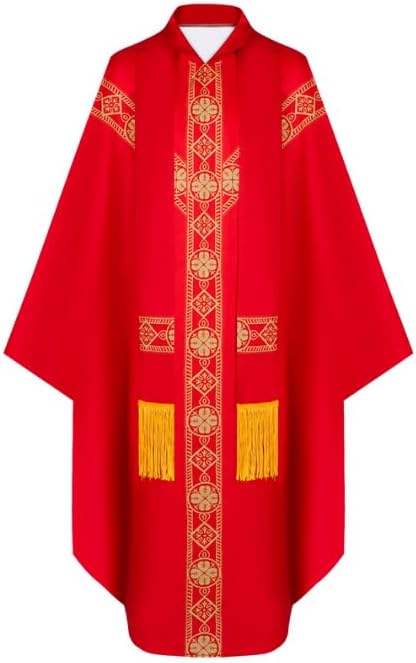
Lent follows Advent, marked by a more austere atmosphere, where penitential purple returns. This season is a time for deep introspection and sacrifice, culminating in the joyous celebration of Easter. During the final week of Lent, known as Holy Week, the liturgical colors vary between red and white—a further illustration of the themes of suffering and resurrection.
The Church then enters Ordinary Time, characterized by the color green. These vestments represent growth, hope, and the continuous journey of faith. It is during this period that priests often wear green, indicating a time of development and reflection on the teachings of Christ.
Pentecost marks the final season discussed, where red vestments are donned to honor the Holy Spirit’s descent upon the apostles. This vibrant color symbolizes fire, passion, and the fervent empowerment of the Church to spread the gospel. Each liturgical season and its corresponding vestments not only enhance the worship experience but also serve as a visual representation of the teachings and themes of the Catholic faith.
Conclusion: The Importance of Vestments in Liturgical Traditions
In examining the role of vestments within the Catholic Church, it becomes clear that these garments are far more than mere attire for clergy. They serve as a visual representation of the sacred nature of liturgical celebrations and embody theological principles that are foundational to Catholic worship. Each type of vestment—whether it be the chasuble, stole, or alb—carries with it unique meanings and historical significance that enrich the liturgical experience for both the priest and the congregation.
The different vestments used throughout various liturgical seasons, such as Advent, Lent, and Ordinary Time, not only reflect the themes and significance of these periods but also help guide the faithful in their spiritual journey. For instance, the use of purple during Lent serves as a reminder of penance and reflection, while white during Easter symbolizes joy and resurrection. This thoughtful selection of colors and styles fosters a deeper understanding of the celebrations and allows attendees to engage more fully in the worship experience.
Moreover, the vestments contribute to a sense of reverence and formality, encouraging both clergy and laity to approach the sacred mysteries of liturgical practice with an attitude of respect and devotion. The symbolism inherent in the various fabrics, colors, and designs not only enhances the aesthetic of the worship space but also deepens the collective spiritual connection. This connection is vital as it helps individuals internalize the principles celebrated in the liturgy, transforming rituals into profound encounters with the divine.
Ultimately, understanding the importance of vestments in liturgical traditions enriches the broader appreciation of Catholic faith practices. These garments serve as tangible expressions of the faith, bridging the earthly and the divine, and reminding all who participate in the liturgy of the sacredness of the worship experience.
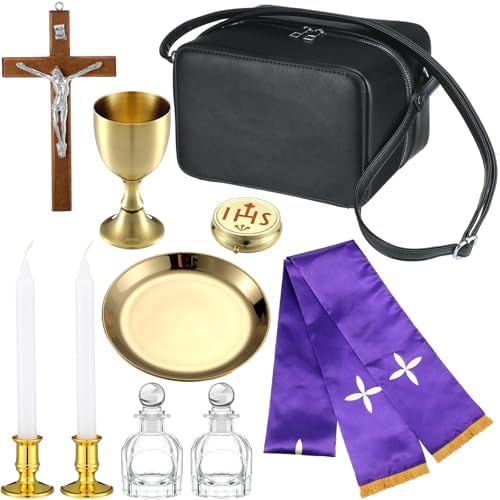
- Catholic Travel Mass Kit Set: each Mass kit set contains 1 golden pyx, 1 purple stole, 1 zippered carrying case, 1 Jesus…
- Reliable Material: each product of this mass set is made of quality materials, safe, no odor, ensuring durability and se…
- Elegant and Practical Design: this pastoral sick call set shows creativity and appeal in design; A variety of styles can…